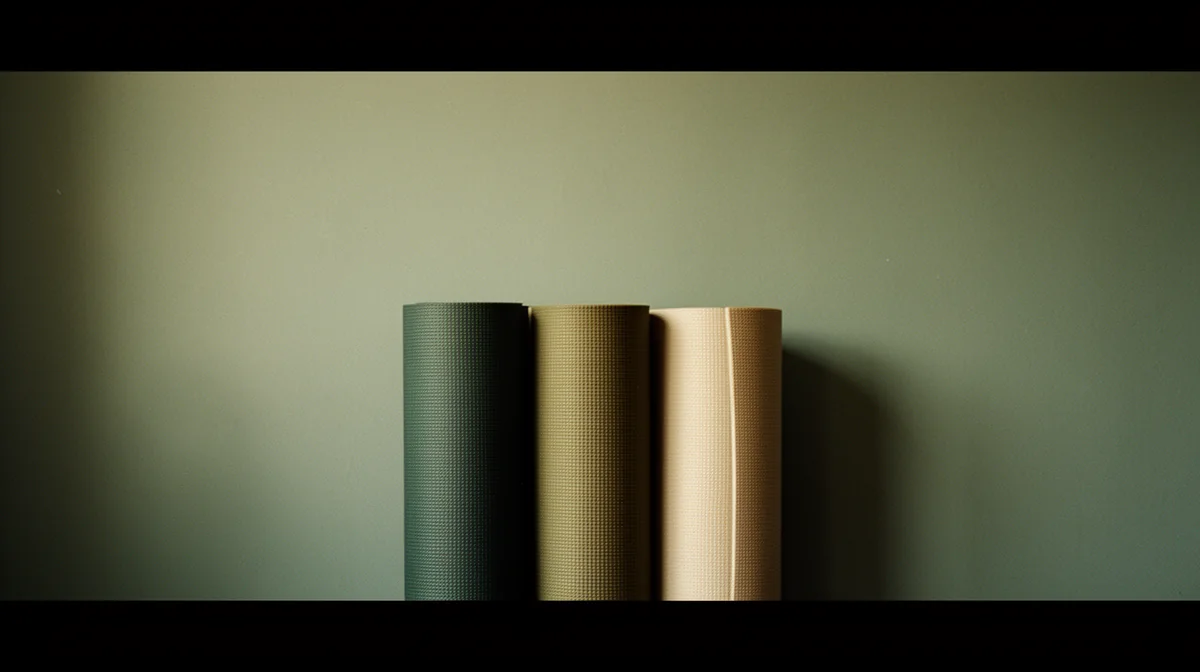
How to Choose (and Actually Use) a Yoga Mat
Grip, cushion, weight, and the sweat question — what actually matters in a mat, what's marketing, and how to make whichever one you buy last for years.
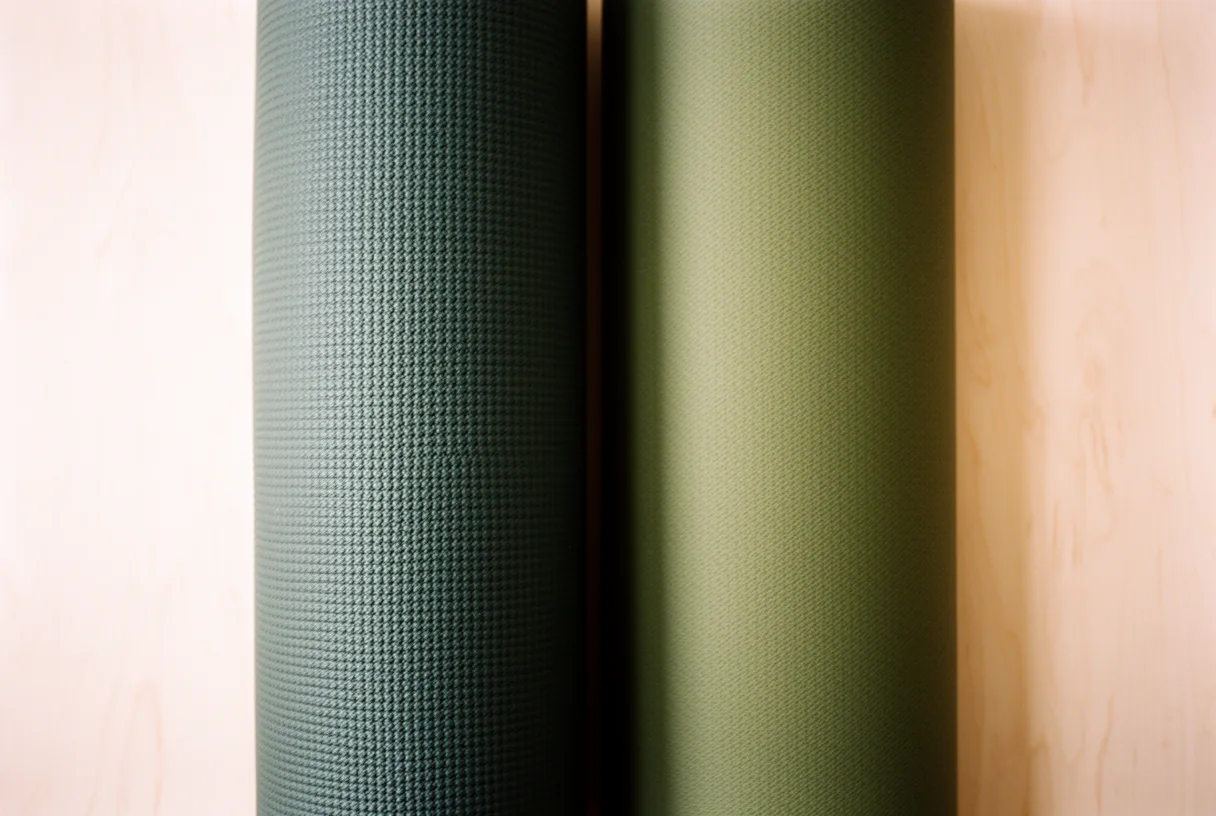
The mat is the one piece of gear that touches every single practice, and the market has responded with an ocean of materials, thicknesses, alignment lines, limited colorways, and claims. Most of it reduces to four questions: does it grip, does it cushion the parts of you that need cushioning, can you carry it where it needs to go, and does it survive your sweat. Answer those for your practice and the right mat picks itself.
Grip: the only non-negotiable
Slipping hands in Downward Dog ruin more practices than any other equipment failure — and they masquerade as a strength problem ("my wrists are tired") when they're a friction problem. Two different kinds of grip matter:
Dry grip — how the surface holds skin at low moisture. Polyurethane-topped and natural-rubber mats grip dry hands superbly. Cheap PVC mats often need a break-in period (or a scrub — see below) before the factory film wears off.
Wet grip is where mats diverge violently. Most smooth mats become skating rinks at the first real sweat. If you run hot or practice heated styles, you want either a rubber mat with genuine wet traction or — the budget-proof answer — a mat towel on top, which grips better damp and converts any mat into a hot-yoga mat for thirty dollars.
A technique note before you blame the gear: in Down Dog, press the full knuckle line and fingertips down, not just the heel of the hand. A surprising share of "slippery mat" is actually unweighted fingers.
Thickness: cushion versus wobble
Mat thickness is a trade between joint comfort on the floor and stability when standing:
- 3mm and under — the balance-and-standing choice. Tree pose feels rooted; kneeling poses want a folded blanket under the knees.
- 4–5mm — the sensible middle where most practices live: enough padding for knees and spine, not enough squish to wobble a Warrior III.
- 6mm and up — kind to kneecaps and bony spines in floor-heavy or restorative practice, noticeably mushy under one-foot balances.
If your practice spans both ends, buy for the standing end and keep a blanket nearby for the kneeling end — padding can be added locally; stability can't.
Padding can be added locally; stability can't. Buy for the standing end of your practice.
Weight, size, and the rest of the spec sheet
A dense rubber mat at 2.5kg is a joy underfoot and a commitment on a bike commute; travel mats fold into a suitcase and feel like practicing on a postcard. Be honest about the mat's actual life: a mat that lives unrolled in the corner (the home-practice move we recommend anyway) can be as heavy as it likes.
Standard mats run about 173cm; if you're taller than ~180cm, the long versions (185–215cm) end the heel-hangs-off-the-edge problem in Savasana forever. Alignment lines are pleasant, not transformative. Limited-edition prints affect practice exactly as much as you'd expect.
Materials, odor, and ethics
PVC is durable and cheap with a long off-gassing period and the worst end-of-life story. TPE is lighter and more recyclable, less durable under heavy use. Natural rubber — the material of most premium mats — grips beautifully, ages well, and smells like a tire shop for the first two weeks (it fades; air it out unrolled). Rubber allergies are real and worth checking. Cork-topped mats grip more as they dampen and suit sweaty dry-grip seekers who dislike towels.
Making it last
- Wipe weekly, wash monthly. Diluted white vinegar or a drop of dish soap in water, soft cloth, air dry fully before rolling. Skip essential-oil cocktails on polyurethane tops — they degrade the grip layer.
- Scrub a slippery new mat. A coarse-cloth scrub with soapy water strips the factory release film that makes new PVC mats skiddy.
- Keep it out of the sun and the hot car. UV and heat crumble rubber and TPE alike.
- Rotate ends. The hand zone wears fastest; flipping the mat end-for-end weekly spreads the love and doubles visible life.
A mat is done when the surface sheds, the cushion has compacted into memory, or the grip is gone in the hand zone specifically — typically two to five years of regular practice for a decent one.
The honest buying advice
Expensive mats are usually better, and the curve flattens fast: the difference between a $20 mat and an $80 mat is enormous; between $80 and $150 it's a preference. Our pick below is the one we'd buy for a practice that's already a habit. If the habit is still forming, a mid-range grippy mat plus the willingness to upgrade later is the smarter allocation — spend the difference on two blocks and a strap, which change more poses than any mat ever will.
Keep reading
Building a Home Practice That Actually Survives
How to keep a steady practice when it's just you and a mat — short, frequent, forgiving, and engineered so that starting is the easy part.
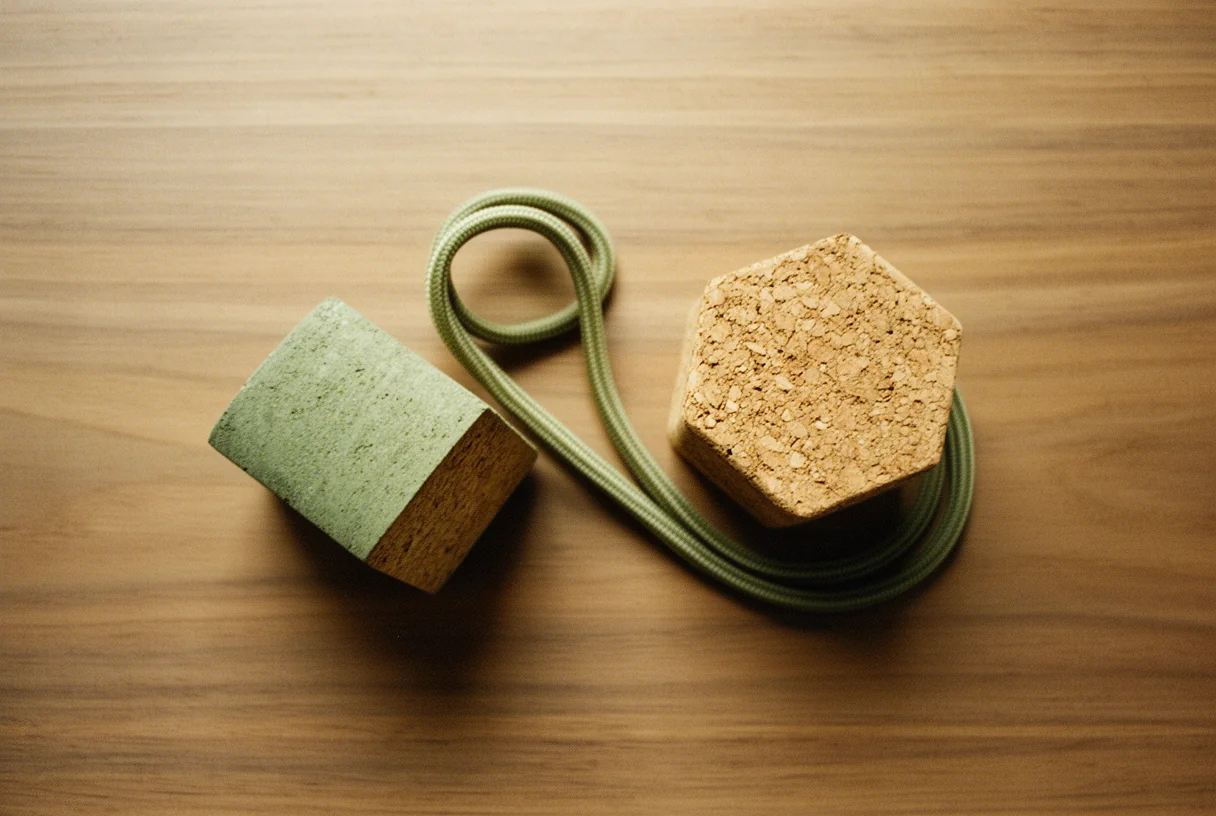
How to Use Yoga Blocks: The Floor, Raised to Meet You
The most versatile prop on the shelf — eight ways to use blocks across standing poses, folds, strength work, and rest, plus how to choose between foam
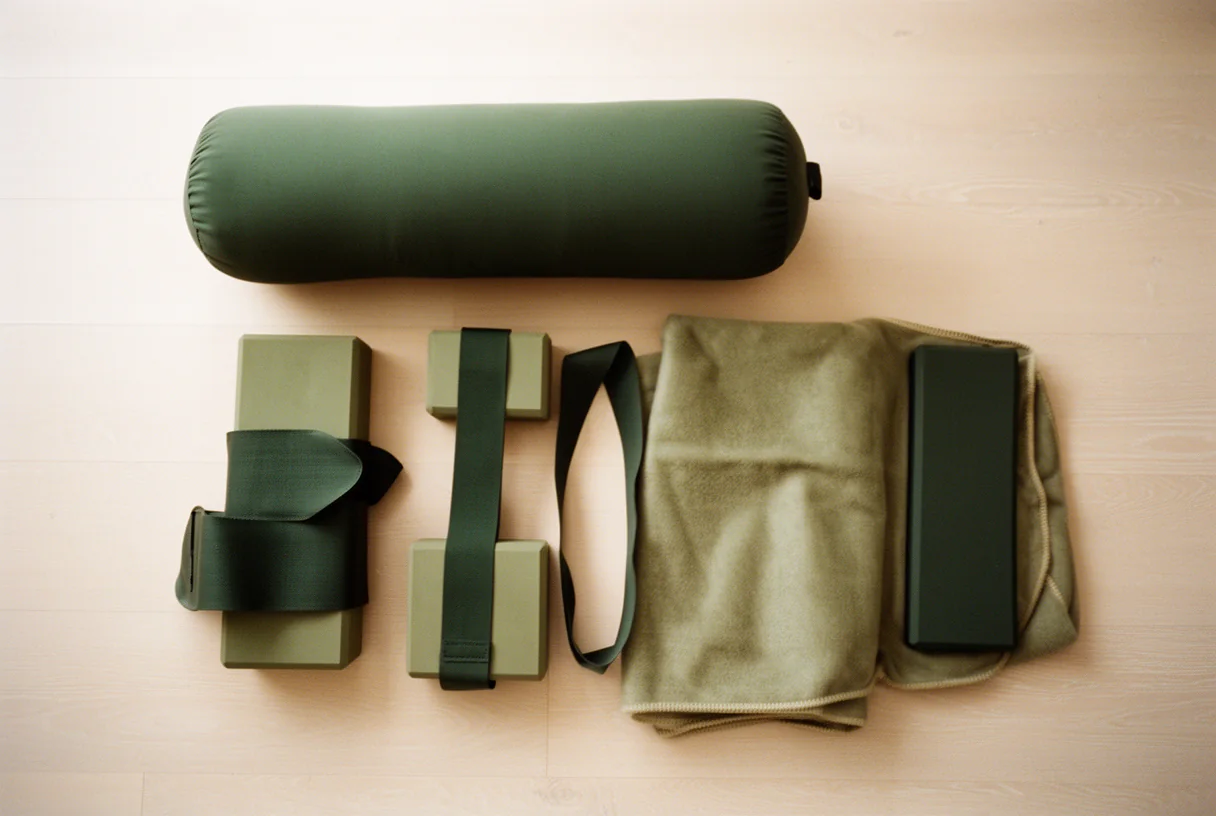
Props and Modifications: Bringing the Pose to You
Blocks, straps, and bolsters aren't training wheels — they change the geometry of a pose so today's body can do the pose's actual work.