Anatomy of a Sun Salutation
Surya Namaskar A, pose by pose — what each shape does, how the breath links them, and the mistakes that make it harder than it needs to be.
A sun salutation (Surya Namaskar) is a short, repeatable sequence that warms the whole body and sets the rhythm of breath-led movement. It is the backbone of vinyasa practice for a simple reason: in about seventy-five seconds it folds, lengthens, loads, and extends the spine, takes the shoulders and hamstrings through their working range, and teaches your nervous system the one rule everything else in class is built on — one breath, one movement.
If you understand what each shape in the sequence is actually doing, the whole thing stops being choreography to memorize and becomes a conversation you can have at any pace.
The sequence, pose by pose
Mountain Pose (Tadasana). Stand tall, weight even across both feet, and inhale the arms overhead. This is not a throwaway starting position — it is the posture every standing pose returns to. Feel the four corners of each foot, let the ribs settle over the pelvis, and reach up without shrugging. The inhale here sets the tempo for the entire round.
Standing Forward Fold (Uttanasana). Exhale and hinge from the hips — not the waist — letting the head hang heavy. Bend the knees as generously as you need to put your belly closer to your thighs. The fold is about the backs of the legs and a long spine, not about touching the floor; cold hamstrings in the first round have earned soft knees.
Halfway Lift (Ardha Uttanasana). Inhale and lengthen the spine to a flat back, fingertips on the shins or the floor. This small move is the most skipped and the most valuable: it rehearses the exact hip-hinge mechanics that protect your lower back in everything from deadlifts to picking up groceries. Think "long from tailbone to crown," not "high."
Plank to Low Push-Up (Chaturanga Dandasana). Exhale, step or float back to plank, and lower halfway with the elbows hugging the ribs. Chaturanga is a strength pose wearing a transition's clothing, and it is where most shoulder irritation in vinyasa starts. Lower as one unbroken line — or drop the knees first, which keeps the same shoulder mechanics at half the load. There is no version of class where knees-down chaturanga is cheating.
Upward-Facing Dog (Urdhva Mukha Svanasana). Inhale, roll over the toes, open the chest, and draw the shoulders away from the ears. The legs stay active and lifted off the floor; the backbend distributes along the whole spine instead of folding into the lower back. If your shoulders or back say no today, Cobra — elbows soft, pelvis grounded — is the same conversation at a gentler volume.
Downward-Facing Dog (Adho Mukha Svanasana). Exhale, lift the hips up and back into the inverted V, and stay for five full breaths. Down dog is the sequence's home base: part inversion, part shoulder opener, part hamstring stretch, part rest. Press the floor away, let the head hang, and pedal the knees as much as you like. From here, step or hop forward, inhale to a halfway lift, exhale to fold, and rise back to Mountain to complete the round.
A sun salutation isn't a warm-up you rush through — it's the whole practice in miniature.
The breath is the metronome
Every movement in a sun salutation is assigned to an inhale or an exhale, and the assignment is not arbitrary: the spine extends on inhales (halfway lift, upward dog, rising to stand) and folds or loads on exhales (forward fold, chaturanga, down dog). When you let the breath set the pace — rather than rushing the movement and squeezing the breath in afterward — the sequence self-regulates. Moving faster than you can breathe smoothly is the body's first and clearest signal that you've left your sustainable range.
A useful practice: for one round, make the breath audible (see our piece on ujjayi breathing). If the sound frays during chaturanga or the hop forward, slow exactly that transition down.
Common mistakes worth fixing early
- Skipping the halfway lift. Folding straight from Uttanasana into the step-back rounds the spine under load. The halfway lift costs one second and teaches the hinge.
- Chaturanga as a fall. Lowering fast with flared elbows turns a strength builder into a shoulder grinder. Knees down, slow descent, elbows in.
- Treating down dog as a sprint. The five breaths are the recovery interval that makes multiple rounds sustainable. Take all five.
- Gripping the jaw and shoulders in Mountain. The first inhale sets the tone; start tall and easy, not braced.
Making it yours
Three rounds of Sun Salutation A is the classic vinyasa warm-up, and it scales in every direction. Move at half pace with an extra breath in each pose on stiff mornings. Substitute knees-chest-chin for chaturanga while building strength. Put blocks under your hands in the fold if the floor is far away — bringing the floor up is exactly what blocks are for. The sequence has survived a century of daily repetition because it bends to the body practicing it. Let it.
Keep reading
Breath as the Anchor: Three Patterns That Change Your Practice
Why the breath leads the movement, what your nervous system does with it, and three breathing patterns — ujjayi, even breath, extended exhale — to pra
Props and Modifications: Bringing the Pose to You
Blocks, straps, and bolsters aren't training wheels — they change the geometry of a pose so today's body can do the pose's actual work.
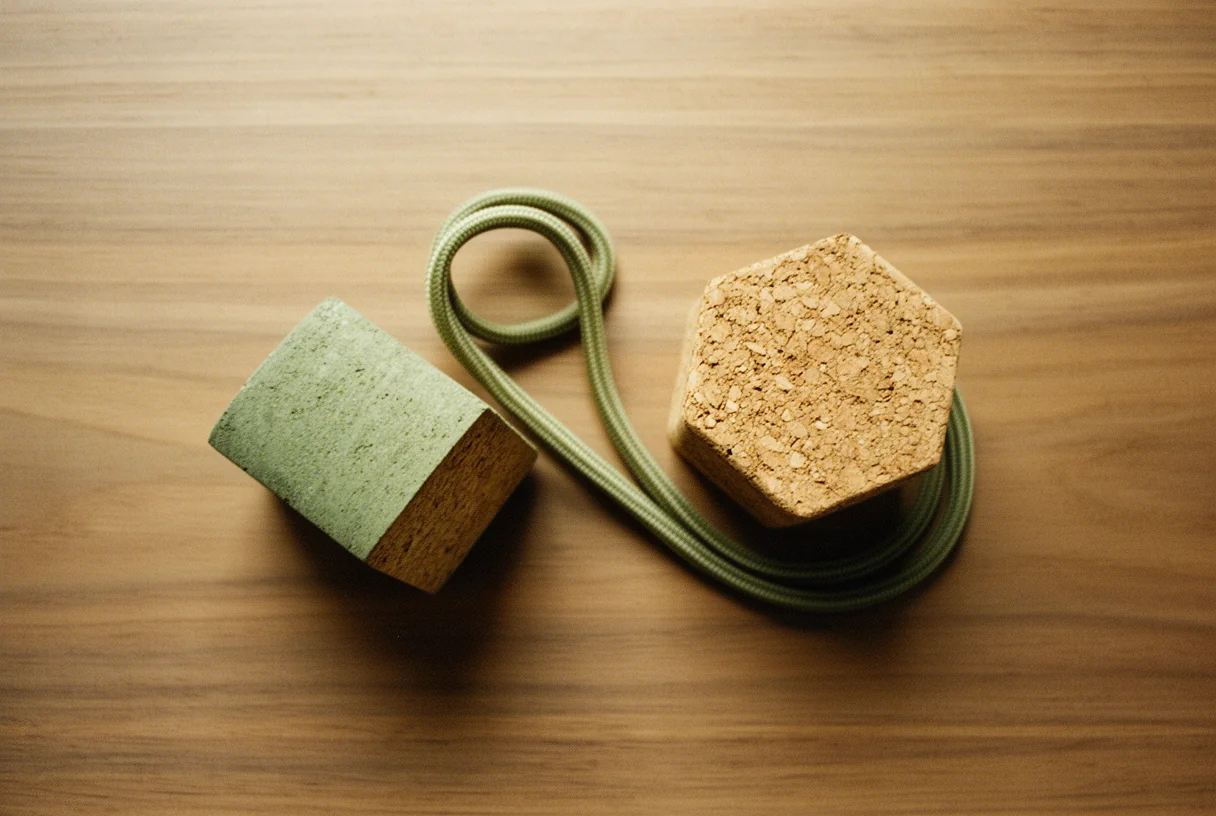
How to Use Yoga Blocks: The Floor, Raised to Meet You
The most versatile prop on the shelf — eight ways to use blocks across standing poses, folds, strength work, and rest, plus how to choose between foam