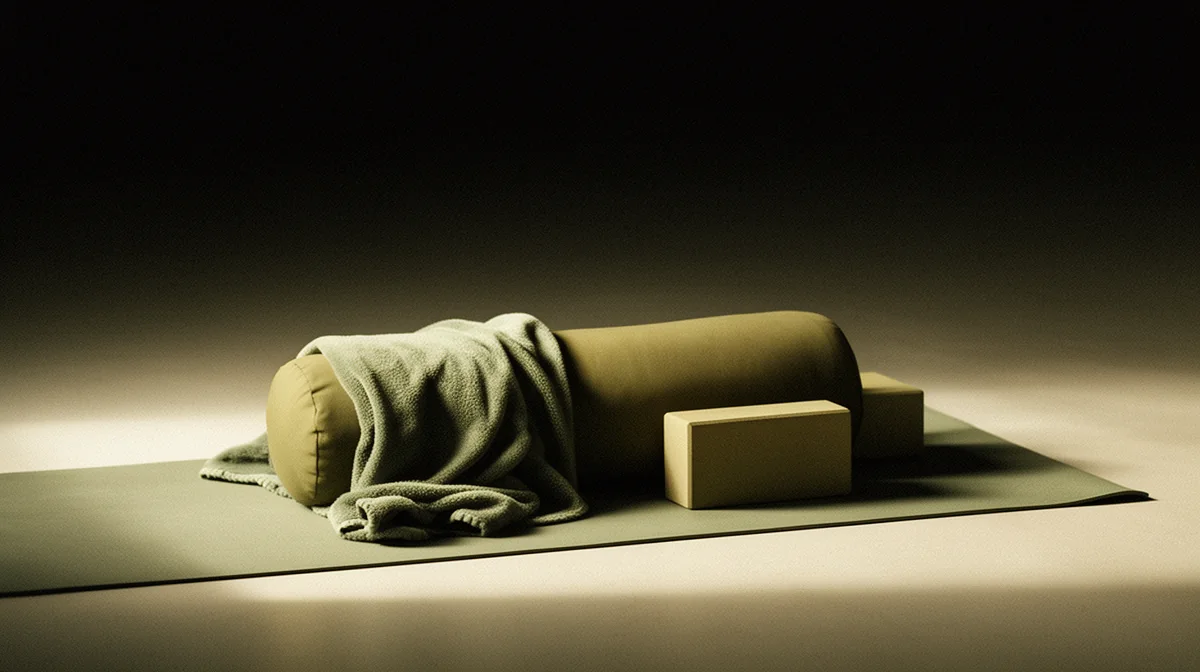
Teaching Around Injuries: A Working Method
Every room and every roster has injuries in it. A practical system for finding out what you're working with, adapting poses without drama, handling flare days, and knowing exactly where teaching ends and referral begins.

If you teach long enough, every condition will eventually walk into your room: the fused lumbar, the replaced hip, the shoulder that's been "fine" for years and isn't. Teaching around injuries isn't a specialty — it's the baseline competence of the job. The good news is that it runs on a method, not on memorising a medical textbook.
First, find out what's true
You can't work around what you don't know about. In group classes that means asking — out loud, every class, in a way that's easy to answer: "Anything I should know about today? Catch me before we start." In private work it means a real intake: not just what hurts now, but the surgeries, the old injuries, the diagnoses, and crucially what their medical provider has already told them to avoid. Write it down somewhere you'll actually re-read; an injury you knew about in March and forgot by May is worse than one you never heard about, because the student believed you were accounting for it.
Keep the record alive. Injuries aren't states, they're stories — they flare, improve, plateau, and heal. The question "how's the shoulder this week?" does double duty: it updates your plan, and it tells the student their body is being tracked by someone other than themselves.
The student with the injury is not a problem in your class plan. They are the class plan.
Adapt in this order
When a pose conflicts with a condition, run the same sequence every time:
Reduce range before anything else. Most poses have a long runway between "first sensation" and "full expression" — a half-depth lunge is still a lunge. Add support second: blocks under hands change a hamstring pose entirely; a chair turns balance work from a hazard into a study. Swap the shape third — same intent, different architecture. A student who can't bear weight on a wrist can do nearly everything on forearms; a flexion-sensitive back trades the forward folds for hip work that accomplishes the same release. Subtract only as the last resort, and always give the student something specific to do instead. Resting in Child's Pose on instruction feels like care; resting because the teacher had no plan feels like exile.
Names matter here. "The version of the pose for today" lands differently than "the easy version." Nobody wants the easy version. Everybody will take today's version.
Flare days
A managed condition isn't a flat line. The week the back is angry, the plan changes — and the skill is changing it without ceremony. Have a quiet flare-day repertoire ready for each regular student or client with a live condition: lower intensity, more support, longer exhales, and none of the poses you both know are off the table this week. The worst response to a flare is heroics; the second worst is treating the student like glass. The practice continues. It just bends.
For private clients, log the flare and what you did about it. Over months, the pattern in those notes — what triggers it, what settles it, how long it lasts — becomes genuinely useful information the client can take to their physio, and the clearest proof of the value of working with you rather than a video.
The line, and how to hold it
You teach movement; you don't diagnose, and you don't treat. The line is bright: working around a condition the student already understands is teaching. Investigating new pain, promising recovery, or overriding medical advice is practicing medicine without the licence. When something hurts in a new way — sharp, electric, numb, or simply new — the move is always the same: stop the aggravating thing, recommend they get it looked at, and mean it.
Referring out doesn't shrink your role; it builds it. The teacher who says "that's beyond me, see a professional, and bring me their notes" is the teacher the student trusts for the next decade — and the one local physios start sending people to.
Keep reading

Building a Private-Client Practice: 1-on-1 Work That Lasts
Private clients are the most rewarding and most demanding teaching you'll do. How to find them, run an intake that earns trust, price the work honestl
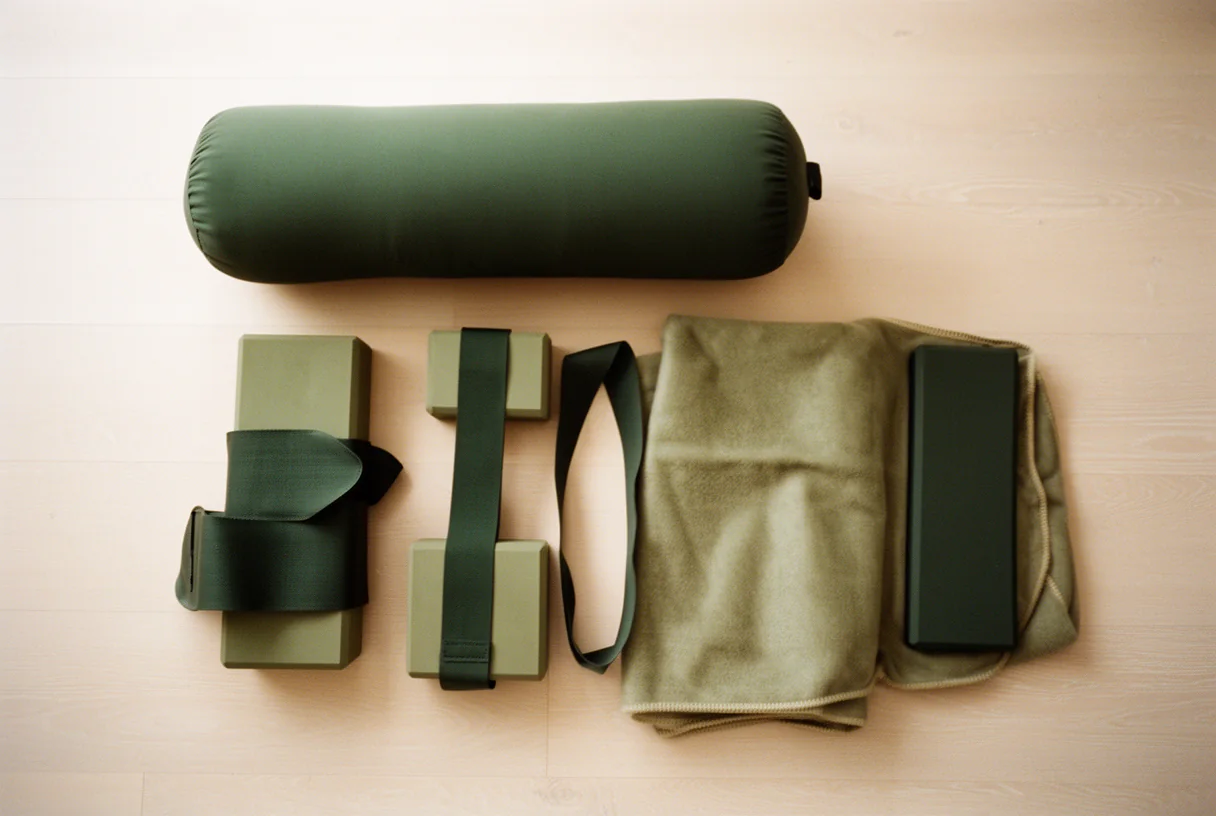
Props and Modifications: Bringing the Pose to You
Blocks, straps, and bolsters aren't training wheels — they change the geometry of a pose so today's body can do the pose's actual work.
Breath as the Anchor: Three Patterns That Change Your Practice
Why the breath leads the movement, what your nervous system does with it, and three breathing patterns — ujjayi, even breath, extended exhale — to pra